
"phenolic acids"
200 article(s) found
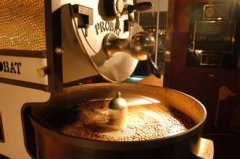
Patented technology increases the content of polyphenols in roasted coffee beans
The technology includes two processing steps: the first step is to use water extraction technology to extract and dissolve the polyphenols in raw coffee beans, and the second step is to roast the coffee beans with excessive polyphenols in almost vacuum. Spray high concentration of polyphenols aqueous solution before ending baking, thus greatly increasing the polyphenols in roasted coffee beans.
Patented technology increases the content of polyphenols in roasted coffee beans
The technology includes two processing steps: the first step is to use water extraction technology to extract and dissolve the polyphenols in raw coffee beans, and the second step is to roast the coffee beans with excessive polyphenols in almost vacuum. Spray high concentration of polyphenols aqueous solution before ending baking, thus greatly increasing the polyphenols in roasted coffee beans.

Knowledge | Classification of defective beans
If too many defective beans are mixed into coffee roasting, the color of the finished product will be mottled. Compared with normal beans, defective beans oxidize very quickly and sometimes turn white after baking. Cheap coffee beans are often sold in stores such as supermarkets or coffee shops. if you open those packages, you can find that they are mixed with a lot of unevenly roasted beans.

The sour taste of coffee comes from the benefits of acid chlorogenic acid in coffee the role of chlorogenic acid in coffee
Professional coffee knowledge exchange more coffee bean information please pay attention to coffee workshop (Wechat official account cafe_style) caffeic acid (English: Caffeic acid) is an organic compound belonging to hydroxycinnamic acid with phenolic hydroxyl and acrylic acid functional groups. Because caffeic acid is one of the main components of lignin in biosynthesis of plant biomass and its residues.

Patented coffee roasting technology increases the content of polyphenols in roasted coffee beans
The technology includes two processing steps: the first step is to use water extraction technology to extract and dissolve the polyphenols in raw coffee beans, and the second step is to roast the coffee beans with excessive polyphenols in almost vacuum. Spray high concentration of polyphenols aqueous solution before ending baking, thus greatly increasing the polyphenols in roasted coffee beans.

Patented coffee roasting technology increases the content of polyphenols in roasted coffee beans
According to foreign reports: applied Food Science Company (Applied Food Science Inc.) A patent has been obtained that can greatly increase the content of polyphenols in roasted coffee beans. The technology includes two processing steps: the first step is to extract and dissolve the polyphenols from raw coffee beans by water extraction technology, and the second step is to combine the extracted polyphenols.
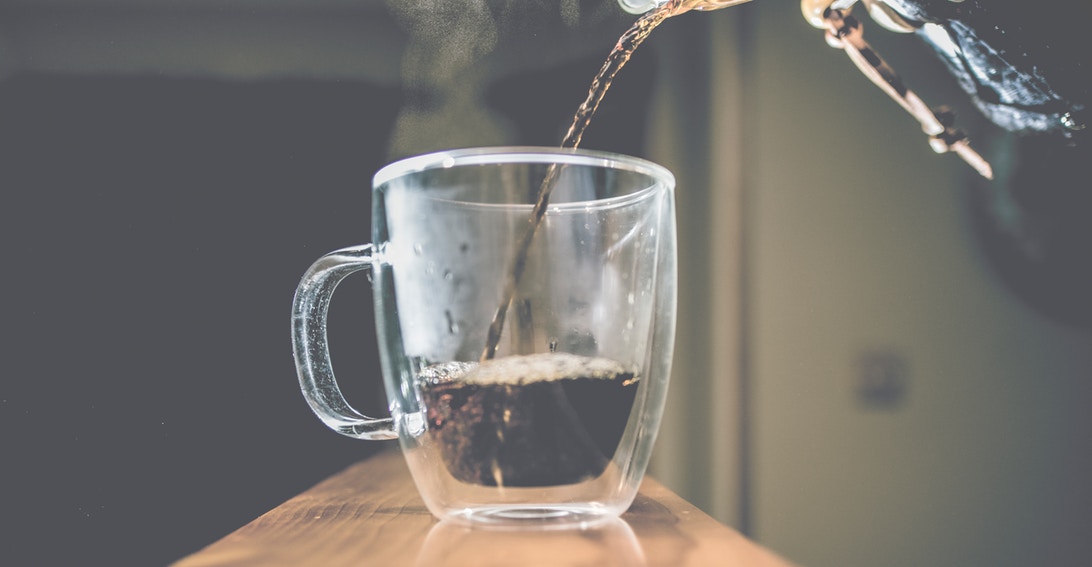
How do you analyze coffee's chemical composition to predict flavor, aroma and quality?
Professional coffee knowledge exchange More coffee bean information Please pay attention to the coffee workshop (Weixin Official Accounts cafe_style) There are many factors that affect the flavor of coffee: variety, roasting degree, brewing formula, processing method, etc., but when you look deeper, you will find that flavor depends on only one thing: the composition of compounds. Coffee roasting method, coffee variety, species

Patent technology to increase the content of polyphenols in roasted coffee beans how to process coffee beans correctly
The technology includes two processing steps: the first step is to use water extraction technology to extract and dissolve the polyphenols in raw coffee beans, and the second step is to roast the coffee beans with excessive polyphenols in almost vacuum. Spray high concentration of polyphenols aqueous solution before ending baking, thus greatly increasing the polyphenols in roasted coffee beans.
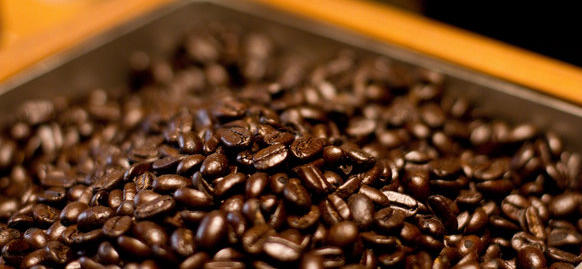
Changes in coffee bean roasting: patented technology increases the content of polyphenols in roasted coffee beans
According to foreign reports: applied Food Science Company (Applied Food Science Inc.) A patent has been obtained that can greatly increase the content of polyphenols in roasted coffee beans. The technology includes two processing steps: the first step is to extract and dissolve the polyphenols from raw coffee beans by water extraction technology, and the second step is to combine the extracted polyphenols.
Standard of SCAA pecialty Coffee Fine Coffee Raw Bean
[SCAA "Specialty Coffee" standard for high-quality coffee raw beans] the raw bean defects of SCAA can be divided into two types: I and II. The requirement for premium coffee grade (specialty coffee) is: 1. There are no class I defects; 2. No more than 5 II class defects 3. There can be no "quaker" (0 quaker) Quick beans in cooked coffee beans. 4. The appearance of raw coffee beans
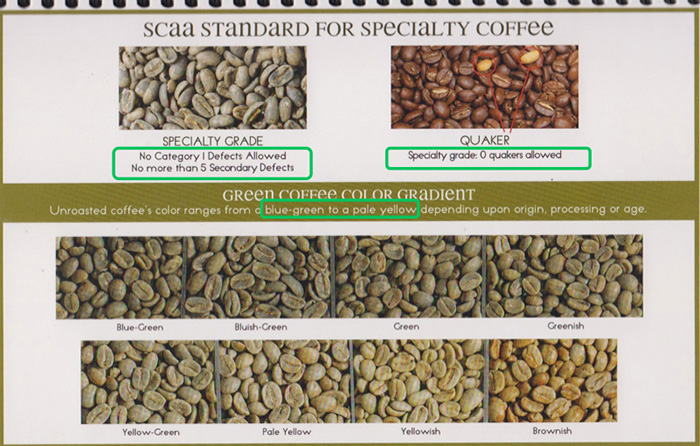
Boutique coffee beans: the standard of SCAA pecialty Coffee boutique coffee raw beans
The raw bean defects of SCAA can be divided into two types: I and II. The requirement for premium coffee grade (specialty coffee) is: 1. There are no class I defects; 2. No more than 5 II class defects 3. There can be no "quaker" (0 quaker) Quick beans in cooked coffee beans. 4. The color range of raw coffee beans is pale yellow (light yellow), yellow-green (

The standard of SCAA pecialty Coffee boutique coffee raw beans is necessary for a good cup of coffee.
The raw bean defects of SCAA can be divided into two types: I and II. The requirement for premium coffee grade (specialty coffee) is: 1. There are no class I defects; 2. No more than 5 II class defects 3. There can be no "quaker" (0 quaker) Quick beans in cooked coffee beans. 4. The color range of raw coffee beans is pale yellow (light yellow), yellow-green (

What are the types of coffee "defective beans"? How to distinguish defective beans in coffee?
More information about coffee beans Please pay attention to coffee workshop (Wechat official account cafe_style) mildew beans grow cyan and white because they are not completely dry or are too wet during transportation and storage, which sometimes make the beans stick together. If these moldy beans are not removed, they will produce a moldy smell. Dead beans. Beans with abnormal results. Color is not
How do you get the aroma of coffee beans? How do we perceive the aroma of coffee? Those compounds produce aromas.
What produces the aroma of coffee? To understand chemistry we drink coffee in order to enjoy its unique flavor and rich aroma. When we pour or sip espresso, it is reminiscent of chocolate, caramel, almonds, fruits and flowers. But what happened at the chemical level? Each sensory characteristic is the result of chemical and biological reactions. Please read on to learn more about production
Academic Talk: About Coffee Defects Why Coffee Beans Have Defects
Professional coffee knowledge exchange More coffee bean information Please pay attention to coffee workshop (Weixin Official Accounts cafe_style) In the 1990s, 20% of coffee produced in Brazil was considered to have Rio defects, that is, coffee had a strong odor, similar to drugs, phenols or iodine. In fact, this defect also occasionally exists in coffee produced in the country. At the time, there was a massive

How does the aroma of coffee beans come from? what kind of substances does the aroma of coffee come from?
Professional coffee knowledge exchange more coffee bean information please follow the coffee workshop (Wechat official account cafe_style) Front Street-Coffee bean flavor substances non-volatile substances in coffee include: alkaloids (caffeine and trigonelline), chlorogenic acid, carboxylic acid, carbohydrates and polysaccharides, lipids, proteins, melanoids and minerals. Caffeine: it is soluble in water and will shadow.

SCA Arabica Coffee Raw Bean grading Manual _ how do Arabica coffee beans be graded?
Professional coffee knowledge exchange more coffee bean information please follow the coffee workshop (Wechat official account cafe_style) [the standard of SCAA Specialty Coffee fine coffee raw beans] the raw bean defects of SCAA can be divided into two categories: I and II. The requirement for boutique coffee grade (specialty coffee) is that there are no Class I defects and no more than 5 II classes are missing.

Why is coffee sour? What's in the coffee? What is chlorogenic acid?
Professional coffee knowledge exchange More coffee bean information Please pay attention to coffee workshop (Weixin Official Accounts cafe_style) Chlorogenic acid is an antioxidant Antioxidant effects, which reduce cell damage from free radicals, are thought to be associated with chronic disease or cancer prevention. The chlorogenic acid content varied with the degree of baking, with light baking being the highest, medium baking the second, and heavy baking the third

Coffee is good for your health: miraculous effects you don't know
You may think coffee is only refreshing. But according to recent data from the Kentucky Gill Heart Institute, coffee can reduce mortality in normal people because caffeine in coffee can prevent cardiovascular, genetic and oxidative diseases. At the same time, they also summarized the results of previous studies and pointed out that coffee has the following magical effects: 1. Prevention of stroke 2.
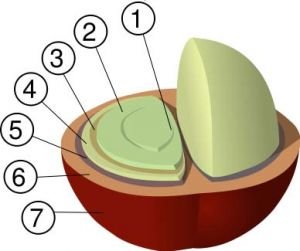
From the composition and composition of coffee beans to talk about the acidity of coffee to understand the structural growth substances of coffee beans
Caffeic acid [Chinese name] caffeic acid [English name] Caffeic acid [composition classification] Organic acids and phenolic coffee acidity may be the most incorrect and most misunderstood term used to evaluate the taste of coffee. This is a quantitative term that refers to the relative strength of the acidic components in the liquid being evaluated. Although the terms of coffee are sour and descriptive